
Transparent Models & Visual Prototypes
Bring see-through product concepts and presentation models into physical form. Explore transparent resin selection together with surface preparation, curing and the finishing process.
Explore the Application ↓Explore application-focused material selection, sample evaluation and process considerations with TXJ.
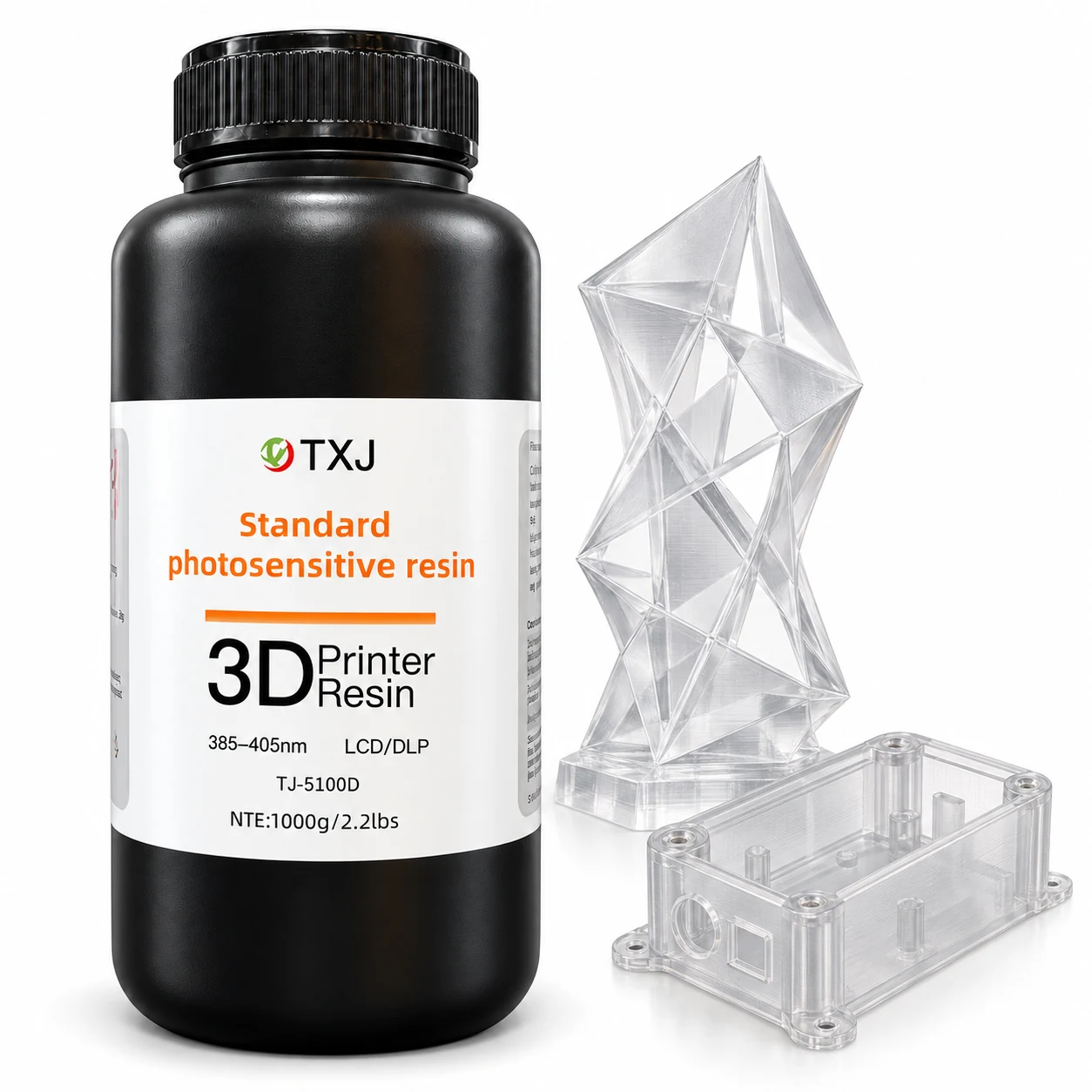
Clear Housings & Visual Components
Transparent models can help communicate internal layouts, fluid-path concepts and see-through enclosure designs. Use representative parts to evaluate clarity alongside dimensions and assembly requirements.
Printed transparency depends on geometry, surface quality, post-curing and finishing. Discuss the desired appearance before selecting the grade.
- Visual access to internal geometry
- Surface preparation and finishing
- Sample-based appearance evaluation
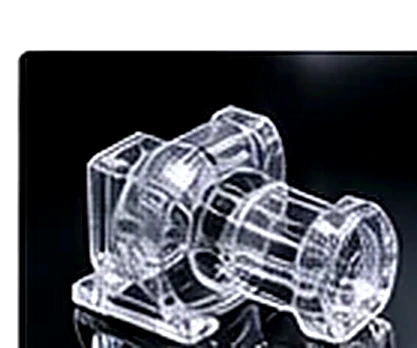
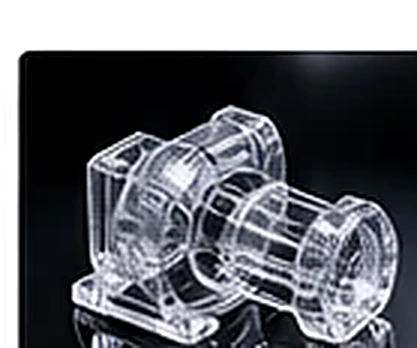
Display Models & Design Review
Clear presentation pieces help designers communicate form and spatial relationships during product development. Match the desired visual effect to a practical printing and finishing workflow.
A transparent appearance is not an optical-performance specification. Validate the properties required for your application separately.
- Presentation and design communication
- Finishing process and part handling
- Project-specific visual requirements
Find the Resin for Your Project.
Compare these material families, then validate the exact grade against your application.
Bring Your Next Idea to TXJ.
Share part geometry, printing technology and performance requirements for a focused material discussion.