
Flexible Structures & Lattice Design
Explore elastomeric photopolymers for deformable prototypes and lattice concepts. Material properties, cell geometry and post-processing all contribute to the behavior of a printed structure.
Explore the Application ↓Explore application-focused material selection, sample evaluation and process considerations with TXJ.
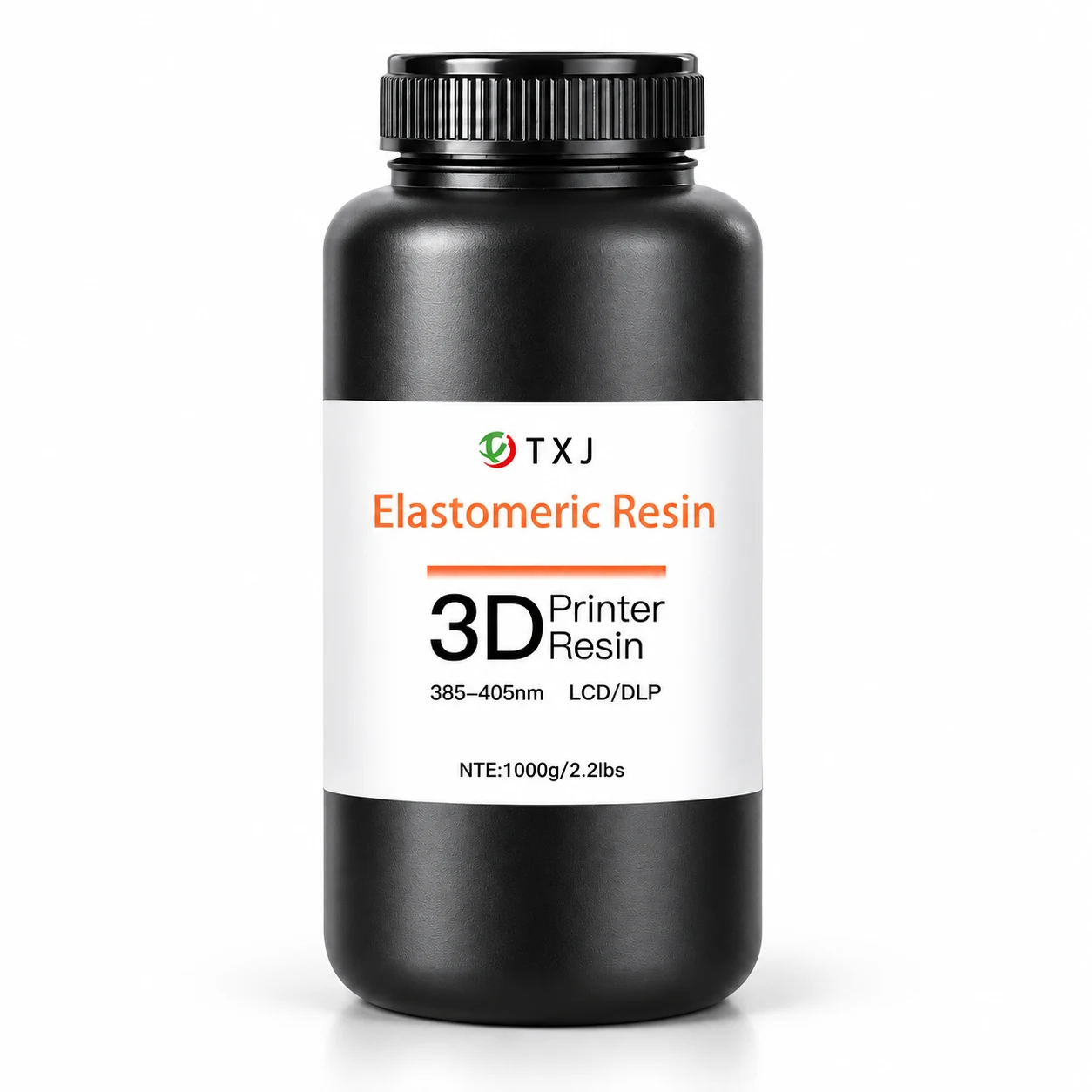
Deformable Components
Flexible prototypes help teams explore geometry that needs to bend or compress during evaluation. Consider wall thickness, interfaces and the expected range of movement when defining the project.
Request the relevant hardness and mechanical data for the exact grade, then assess samples under the intended conditions.
- Target deformation and recovery
- Wall thickness and assembly features
- Hardness and mechanical-data review
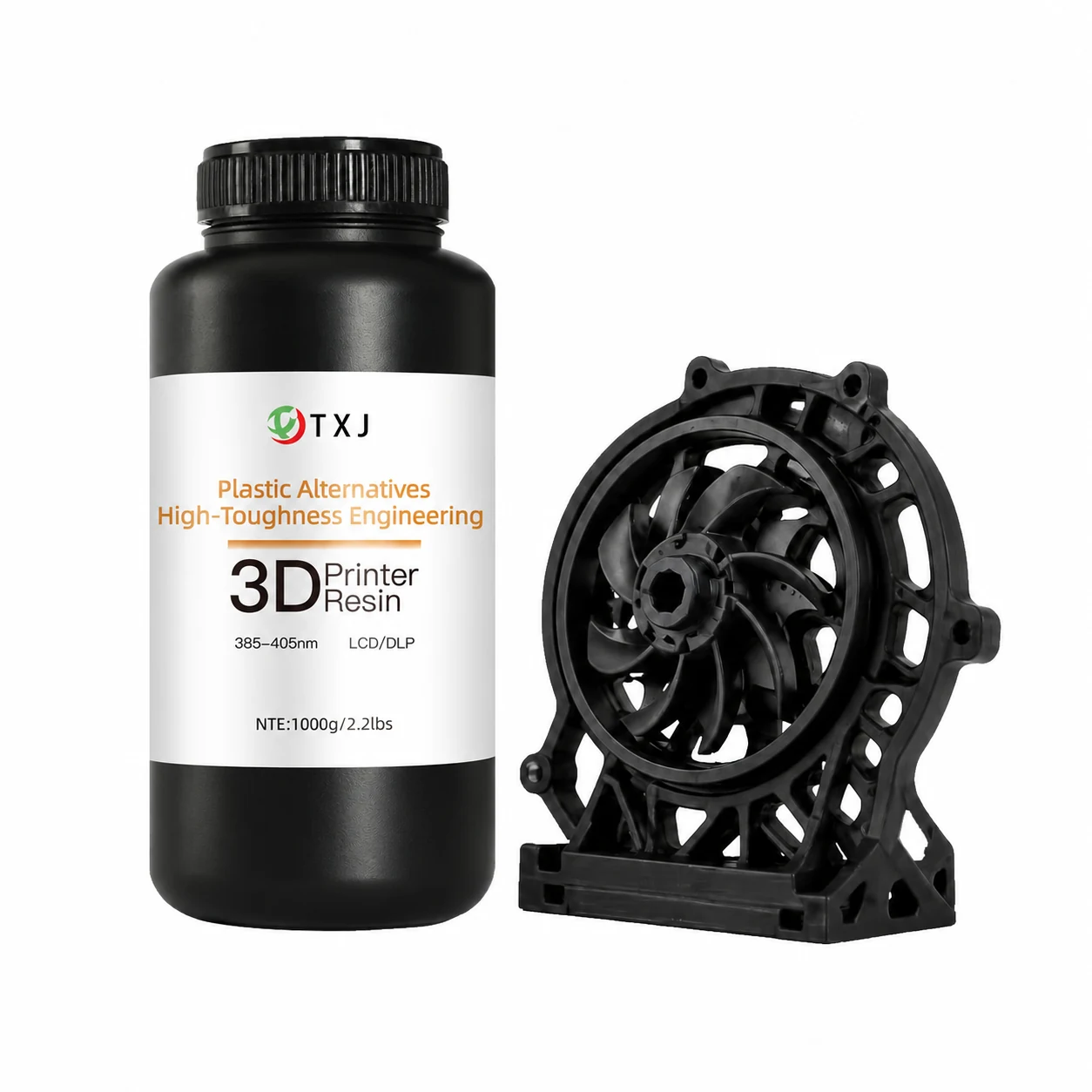
Lattice Geometry Development
Lattice structures introduce another design variable beyond the material itself. Cell size, strut geometry and orientation should be evaluated alongside the selected resin and processing conditions.
Prototype different geometries and compare them using consistent tests. Geometry-driven concepts should not be treated as validated cushioning or end-use performance without evidence.
- Cell and strut geometry
- Print orientation and post-processing
- Consistent compression or deformation testing
Find the Resin for Your Project.
Compare these material families, then validate the exact grade against your application.
Bring Your Next Idea to TXJ.
Share part geometry, printing technology and performance requirements for a focused material discussion.